Posted by The Snag Master
Filed in Business 24 views
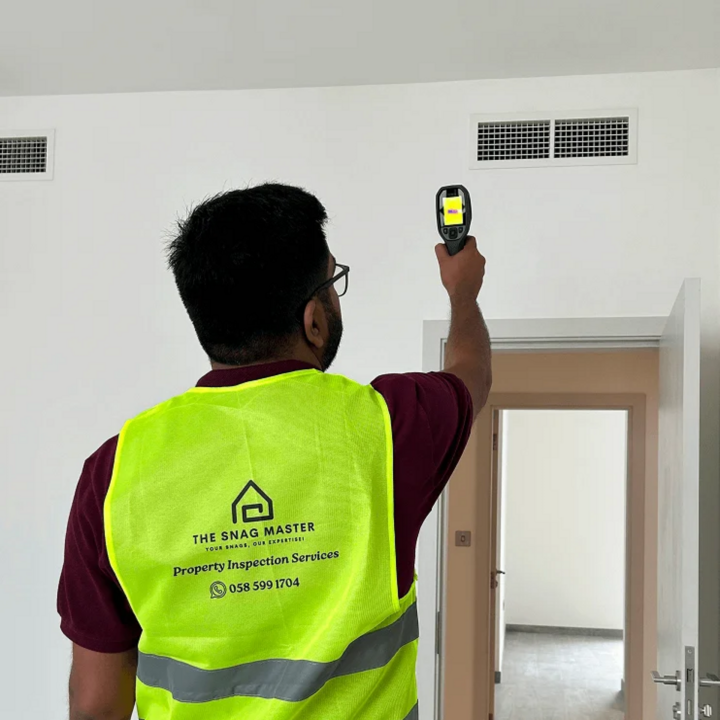
Buying a property in the UAE is a major investment, and the handover stage is one of the most important steps in the process. Before accepting the keys, buyers should make sure the property has been thoroughly checked for defects, unfinished work, and installation issues.
One of the most common questions buyers ask is: How long does a handover inspection take in the UAE?
The answer depends on several factors, including the property's size, type, condition, and the level of detail required. A small apartment may take a few hours, while a large villa or commercial property can require considerably more time.
A handover inspection is a detailed examination of a property before or around the time it is handed over to the owner.
The purpose is to identify visible defects and functional issues that should be addressed by the developer or contractor. Instead of simply walking through the property, a professional inspector systematically checks different areas and records findings.
A typical inspection may cover:
Walls and ceilings
Flooring and tiles
Doors and windows
Electrical points
Plumbing fixtures
Bathrooms
Kitchen
Air-conditioning systems
Cabinets and built-in fixtures
Balconies and external areas
General finishing and workmanship
There is no fixed inspection time for every property. The duration depends primarily on the property's size and complexity.
A studio or compact apartment may take approximately 1 to 2 hours for a detailed inspection, depending on its condition and the scope of the assessment.
Although the property is small, the inspector still needs to examine multiple systems and finishes.
A one- or two-bedroom apartment may require around 2 to 3 hours for a comprehensive inspection.
The inspector typically checks bedrooms, bathrooms, living areas, kitchen facilities, windows, doors, electrical points, plumbing, air conditioning, and other accessible areas.
Larger apartments, penthouses, and luxury properties can take 3 to 5 hours or more.
These properties often have additional bathrooms, balconies, larger kitchens, multiple HVAC zones, upgraded finishes, and more fixtures to inspect.
A villa or large townhouse may require 4 to 8 hours or more, depending on its size and complexity.
Multiple floors, bedrooms, bathrooms, outdoor spaces, kitchens, balconies, garages, and service areas all add to the inspection time.
Commercial properties can require even more time because of their size and the number of systems involved.
Offices, retail spaces, warehouses, and other commercial units may require an inspection lasting several hours or potentially more than one day, depending on the scope.
Several factors can influence how long a handover inspection UAE service takes.
The larger the property, the more rooms, fixtures, surfaces, and systems there are to inspect.
A property with numerous defects can take longer to inspect because every issue needs to be identified, photographed, described, and documented.
Additional rooms and bathrooms increase the number of areas that need to be checked.
A studio apartment and a multi-storey villa cannot be inspected in the same amount of time. Villas and larger properties usually require more extensive assessments.
Some inspections focus primarily on visible defects, while more comprehensive inspections involve detailed checks of accessible electrical, plumbing, HVAC, and other systems.
If certain areas, rooms, equipment, or installations cannot be accessed, the inspection may need additional time or a follow-up visit once access is provided.
A professional inspection generally follows a structured process rather than simply walking around the property.
The inspector starts by understanding the property's layout and identifying the main areas that require attention.
Each room is examined systematically. Walls, ceilings, flooring, doors, windows, fixtures, and other accessible elements are checked.
Where applicable and safely accessible, inspectors may check items such as electrical points, switches, plumbing fixtures, drainage, air conditioning, and installed fittings.
Identified defects are recorded with descriptions and photographs. This provides a clear record of what needs to be corrected.
The findings are compiled into a structured report that can be used when communicating with the developer or contractor.
The handover inspection is not something that should be rushed simply to save time.
A rushed walkthrough may overlook defects in less obvious areas, such as:
Behind doors
Around window frames
Under sinks
Inside cabinets
Around bathroom fixtures
On balconies
In utility areas
Taking sufficient time allows the inspector to examine the property more systematically and reduce the likelihood of missing important issues.
For most individual residential properties, an inspection can generally be completed within a single visit. However, the exact duration depends on the property's size and the scope of the inspection.
Large villas, luxury properties, or commercial buildings may require significantly more time. In some cases, a follow-up inspection may also be appropriate after the developer completes the requested repairs.
After the inspection, the buyer receives a record of the identified defects. These findings can be submitted to the developer or contractor for rectification.
Once the reported issues have been addressed, the property can be checked again to determine whether the necessary corrections have been completed properly.
This follow-up stage can be particularly useful when the original inspection identifies multiple defects.
A professional inspector brings a systematic approach to the handover process. Rather than relying only on a buyer's visual assessment, the inspection covers different aspects of the property in an organised manner.
Professional documentation also makes it easier to communicate individual defects to the developer and keep track of outstanding issues.
For buyers who are unfamiliar with construction finishes, plumbing, electrical installations, HVAC systems, and property defects, professional assistance can provide valuable peace of mind.
So, how long does a handover inspection take in the UAE? There is no single answer because every property is different. A small apartment may take a couple of hours, while a large villa or commercial property can require much longer.
The priority should not be speed but thoroughness. A properly conducted handover inspection gives property owners the opportunity to identify defects, document them clearly, and request rectification before settling into their new property.
For UAE property buyers, allowing enough time for a detailed inspection can be a worthwhile step toward protecting their investment and ensuring a smoother handover process.