Posted by Areej george
Filed in Health 29 views
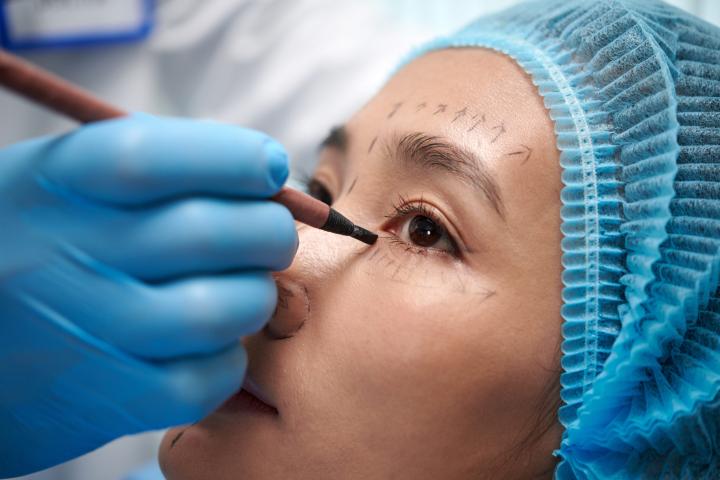
Eyes can look tired even when a person feels completely rested. Heavy upper eyelids, excess skin, puffiness, or changes around the lower eyelids can make the eye area appear less open and more fatigued. These concerns often become more noticeable with age as skin elasticity changes, and the tissues around the eyes gradually shift.
Blepharoplasty in Dubai is a surgical procedure designed to address excess skin and, when appropriate, fatty tissue around the upper and lower eyelids. By refining these structures, the procedure may create a more open and refreshed appearance while maintaining the patient's natural facial character.
The goal is not to make the eyes look dramatically different. A well-planned approach focuses on proportion, eyelid function, facial anatomy, and the amount of tissue that actually needs correction. This is particularly important because removing too much tissue can produce an unnatural appearance or affect eyelid closure.
For suitable candidates, eyelid surgery can make the eyes appear brighter and more alert by reducing the visual heaviness surrounding them. However, the outcome depends on the underlying cause of the tired appearance. Drooping eyebrows, prominent brow muscles, tear-trough changes, or skin-quality concerns may require a different or additional approach.
Several Dubai clinics provide consultations for patients considering eyelid rejuvenation, with treatment planning based on individual anatomy rather than a standard template.
Dynamic Life Clinic provides aesthetic and cosmetic treatment options for patients concerned about changes in the eye area. For someone whose tired appearance is primarily linked to excess eyelid skin or tissue, an assessment can help determine whether eyelid surgery is appropriate.
A detailed consultation is important because not every tired-looking eye requires the same correction. Upper eyelid concerns, lower eyelid bags, skin laxity, and brow position can each contribute differently to the overall appearance.
The treatment plan should therefore consider facial proportions and eyelid structure before deciding on the surgical technique. Patients can also discuss their desired level of change so that the result remains consistent with their natural features.
Tajmeels Clinic is another option for patients exploring cosmetic improvement around the eyes. During an eyelid assessment, the focus can include the amount of excess skin, the appearance of puffiness, and how the upper and lower eyelids interact with the surrounding facial structures.
For some patients, Blepharoplasty may help reduce the heavy appearance that makes the eyes seem less open. The procedure is generally planned according to the individual's anatomy rather than simply removing as much skin as possible.
A thoughtful approach is especially important around the eyes because small changes can influence facial expression. Appropriate treatment planning can help maintain a balanced appearance while addressing visible signs of eyelid ageing.
Quttainah Specialized Hospital provides a setting for patients seeking specialist assessment for cosmetic and surgical concerns. Individuals considering eyelid rejuvenation can discuss their concerns and determine whether the appearance of heavy or tired eyes is related to eyelid changes that can be surgically addressed.
A proper evaluation may examine upper eyelid skin, lower eyelid fullness, brow position, and the relationship between the eyelids and surrounding tissues. This distinction matters because a procedure designed for excess eyelid skin may not correct every cause of a tired-looking appearance.
Patients should also discuss recovery expectations, potential risks, and the realistic degree of improvement during consultation before proceeding with treatment.
Aesthetics International is another clinic patients may consider when researching aesthetic options for the eye area. Its consultation approach can help patients understand whether their concerns are mainly related to eyelid ageing, excess skin, puffiness, or another anatomical factor.
When eyelid surgery is appropriate, treatment planning should focus on preserving normal eyelid function while improving the appearance of the surrounding area. The aim is usually a subtle rejuvenation rather than an overly altered look.
Patients can use the consultation to ask about the recommended technique, recovery process, expected changes, and how the proposed treatment fits their individual facial anatomy.
Enfield Royal Clinic offers cosmetic and plastic surgery consultations for patients interested in improving concerns such as heavy or ageing eyelid contours. For suitable candidates, Blepharoplasty can be considered when excess upper eyelid skin, lower eyelid fullness, or age-related tissue changes contribute to a tired appearance.
The consultation process should begin with an assessment of the eyelids, brows, skin quality, and overall facial proportions. This helps establish whether eyelid surgery alone is likely to address the concern or whether another factor is contributing to the appearance of tired eyes.
The objective is a refreshed and more open-looking eye area without changing the person's natural identity. Individual anatomy, realistic expectations, surgical planning, and appropriate safety measures all play an important role in determining the final result.
Choosing an eyelid surgery clinic requires more than looking at photographs or promotional descriptions. The eyes are a delicate anatomical area, so experience, surgical qualifications, and appropriate safety practices should be key considerations.
Experience and qualifications are important starting points. Patients should understand who will perform the procedure and whether the practitioner has relevant training and experience with eyelid surgery.
Technology and surgical techniques also matter, but newer technology does not automatically mean a better result. The most appropriate technique depends on the patient's anatomy and the specific problem being addressed.
Safety standards should be discussed openly. A reputable consultation should include information about medical assessment, potential risks, surgical settings, and appropriate follow-up.
The consultation itself can reveal a great deal about the clinic. Patients should have an opportunity to explain what makes their eyes look tired and receive an individualized assessment rather than being offered a generic treatment plan.
Finally, expected results should be realistic. The best outcome is generally one that makes the eye area look fresher and more balanced while preserving natural facial expression.
Yes, in suitable patients, eyelid surgery can make the eyes appear more open by addressing excess upper eyelid skin or tissue that creates a heavy appearance. The amount of improvement depends on the underlying anatomy and degree of eyelid changes.
The primary purpose is usually to improve eyelid contours rather than deliberately change the natural shape of the eyes. Careful surgical planning aims to preserve facial balance and normal eyelid function.
It can improve tired-looking eyelids when excess skin, puffiness, or age-related tissue changes are contributing factors. However, tired-looking eyes can also result from brow position, skin quality, tear-trough changes, or other factors that eyelid surgery may not address.
No. Suitability depends on individual anatomy, general health, eyelid function, expectations, and the cause of the heavy appearance. A professional assessment is needed before deciding whether surgery is appropriate.
Results can be long-lasting, but the ageing process continues after surgery. Skin and surrounding tissues may gradually change over time, so the appearance of the eyelids can continue to evolve naturally.
Tired-looking eyes are not always caused by lack of sleep. Excess eyelid skin, puffiness, and age-related changes can create a heavier appearance that makes the eyes seem less open and alert. For appropriately selected patients, Blepharoplasty can refine these contours and create a more refreshed, natural-looking appearance.
The most important step is choosing a qualified provider who evaluates the entire eye area rather than focusing on excess skin alone. A detailed consultation can help determine whether eyelid surgery is suitable and establish realistic expectations for the result.