Posted by Henry Philip
Filed in Arts & Culture 55 views
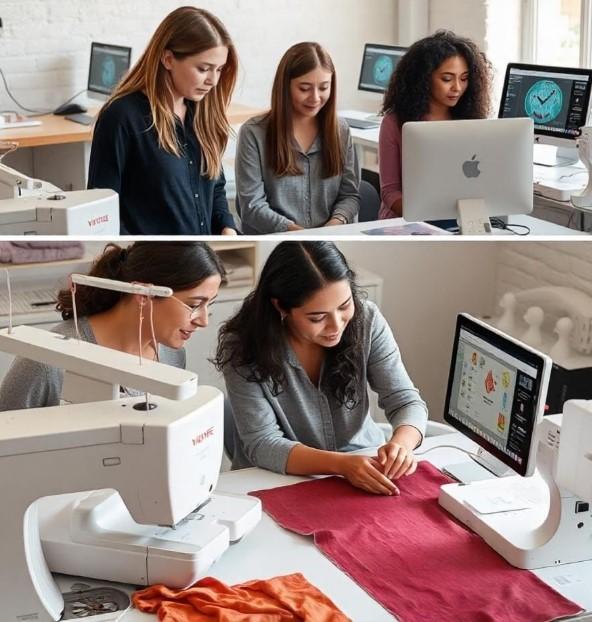
Handling large embroidery orders can feel stressful at first. There are many designs, deadlines, thread colors, and machine setups to manage. Without a good system, mistakes can happen fast. Files may get mixed up, stitching may slow down, and customers may become unhappy.
Many embroidery shops use Embroidery Digitizing Service for Bulk Projects to help manage large workloads more smoothly. Good planning and organized design work can save time, reduce errors, and improve embroidery quality during busy production days.
This guide will explain simple ways to manage high-volume embroidery work. You will learn how to stay organized, improve workflow, reduce machine problems, and keep customers satisfied while handling large embroidery orders.
High-volume embroidery work means handling large numbers of embroidery designs or orders at the same time.
This may include:
Uniform orders
School apparel
Company logos
Sports team shirts
Promotional products
Bulk cap embroidery
Large orders need strong planning and careful management to avoid delays and mistakes.
Good organization is one of the most important parts of embroidery production.
Without proper systems, even simple jobs can become confusing.
Designs may get mixed up.
Poor labeling may cause color mistakes.
Bad planning slows production.
Unprepared files may cause stitching issues.
Simple organization helps keep embroidery work smooth and professional.
Every project should begin with complete order details.
Missing information can create confusion later.
Know the exact embroidery dimensions.
Confirm thread shades before production.
Different fabrics need different setups.
Know where the design should stitch.
Large orders may need different production planning.
Clear communication reduces mistakes and improves customer trust.
File management becomes very important during large embroidery jobs.
Use folders for:
Customer names
Order dates
Design versions
Machine formats
Good file storage helps teams find designs quickly.
Avoid confusing file names.
CompanyLogo_LeftChest
TeamHat_Black
SchoolShirt_BackLogo
Simple names reduce production errors.
Never wait until production day to prepare embroidery files.
Review:
Stitch density
Thread trims
Design size
Color sequence
Stitch direction
Early checking helps avoid machine problems later.
Testing is very important for bulk embroidery work.
Finds design errors
Checks fabric support
Confirms thread colors
Prevents production waste
One test sample can save many garments from damage.
A repeatable process helps production move faster.
Receive customer artwork.
Prepare embroidery file.
Test stitch design.
Approve sample.
Start production.
Inspect finished items.
Using the same process each time improves speed and quality.
Good equipment helps handle large embroidery jobs more easily.
Multi-needle machines reduce manual thread changes.
This improves production speed.
Always have extra:
Needles
Bobbins
Stabilizers
Thread cones
Running out of supplies can stop production.
Thread organization is very important in large embroidery projects.
Use color charts or storage boxes.
Keep thread away from:
Dust
Sunlight
Moisture
Proper storage protects thread quality.
Cheap thread often breaks during embroidery.
Strong thread reduces machine stops and improves stitch quality.
Large embroidery orders need scheduling.
Run similar colors or fabrics at the same time.
This reduces setup changes.
Small goals help teams stay focused.
Example:
Finish 50 caps
Complete 100 shirt logos
Prepare tomorrow’s files
Daily planning improves production flow.
Machine downtime slows large orders badly.
Lint builds up quickly during embroidery.
Follow machine care instructions carefully.
Old needles cause thread breaks and skipped stitches.
Bad tension affects embroidery quality.
Healthy machines run smoother and faster.
Good training improves embroidery quality.
Every worker should understand:
Machine basics
File setup
Thread changes
Hooping methods
Quality checks
Trained staff help reduce production mistakes.
Quality checks protect your business reputation.
Look for:
Loose thread
Missed stitches
Wrong colors
Design shifting
Fabric puckering
Checking items before delivery helps avoid customer complaints.
Simple inspection systems improve consistency.
Inspect after stitching
Trim loose thread
Check placement
Fold neatly
Pack safely
Consistency builds customer trust.
Different fabrics behave differently during embroidery.
Stable and beginner-friendly.
Strong and smooth for logos.
Handles dense stitching well.
Needs extra stabilizer support.
May wrinkle during embroidery.
Heavy seams can affect stitching.
Knowing fabric behavior helps prevent embroidery problems.
Stabilizers support fabric during stitching.
Wrong stabilizers can ruin embroidery quality.
Good for stable fabrics.
Best for stretchy garments.
Used for special embroidery work.
Proper stabilizers improve stitch quality and reduce puckering.
Good digitizing reduces production delays.
Too many trims slow machine speed.
Fewer color changes improve workflow.
Dense designs increase stitching time.
Clean design setup helps embroidery run faster and smoother.
Good communication keeps projects organized.
Provide updates about:
Design approval
Production status
Shipping timelines
Clear updates build trust and reduce confusion.
Save details like:
Thread colors
Garment types
Design placement
Customer requests
Repeat orders become easier later.
Rush jobs are common in embroidery businesses.
Do not skip testing steps completely.
Focus on:
File preparation
Machine setup
Quality control
Good planning helps rush orders run smoothly.
Many embroidery shops face similar problems.
Lost files slow production badly.
Dirty machines create stitching problems.
Skipping tests increases production risk.
Low-quality thread and stabilizers reduce embroidery quality.
Confusion creates delays and mistakes.
Learning from these issues helps improve future projects.
Experience teaches valuable lessons over time.
You learn:
Which designs stitch faster
Which fabrics need extra support
How to reduce thread breaks
How to improve workflow
Which machine settings work best
Every large order helps improve embroidery skills and business systems.
Good management improves both quality and profits.
Organized systems save time.
Testing and planning reduce mistakes.
On-time delivery builds trust.
Fewer mistakes save money.
Good systems make work easier.
Strong organization helps embroidery businesses grow successfully.
If you are new to bulk embroidery work, start slowly.
Practice with manageable jobs.
Use easy labels and folders.
Extra thread and needles are important.
Testing prevents costly errors.
Each order teaches new lessons.
Small improvements create long-term success.
Customers return when they receive quality work.
Deliver on time
Keep embroidery clean
Communicate clearly
Fix problems quickly
Stay professional
Reliable service helps embroidery businesses grow through repeat customers.
Managing high-volume embroidery work becomes much easier with good planning, organized systems, and proper design preparation. Large orders may seem difficult at first, but simple workflows and careful production steps can reduce stress and improve results.
Focus on file organization, machine care, quality checks, and clear communication. Test designs before production and keep supplies ready at all times. Small habits can make a big difference in large embroidery projects.
With practice and experience, you can handle large embroidery jobs more smoothly, improve production speed, and deliver clean, professional embroidery work that keeps customers coming back.