Posted by Shibam Belting
Filed in Business 35 views
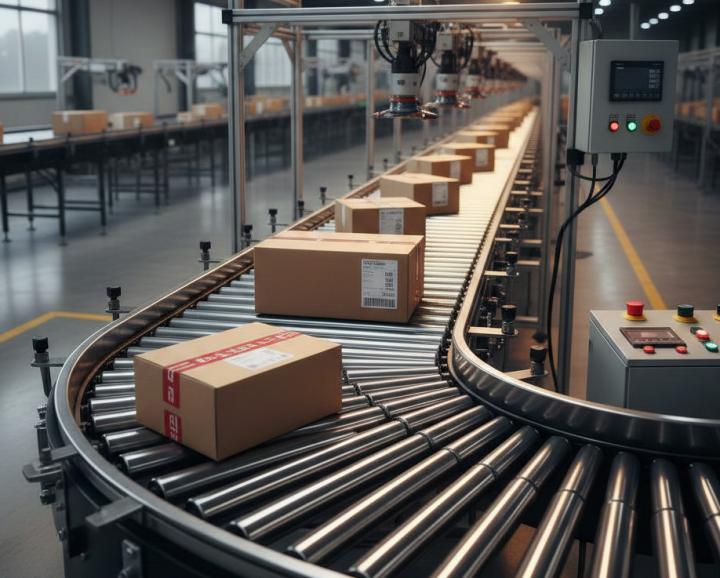
Conveyor belts play an important function in modern enterprises, simplifying material handling and increasing production. Conveyor systems aid in the efficient movement of materials in a variety of industries, including manufacturing, mining, and food processing. Conveyor belts, like any industrial equipment, require correct handling and maintenance to provide a safe working environment.
Implementing the appropriate safety measures not only protects workers, but it also decreases downtime, lowers repair costs, and increases overall operating efficiency. Understanding basic safety procedures is critical for long-term success, whether you are managing an existing system or collaborating with a professional Industrial Conveyor Belt Manufacturer.
Conveyor systems are designed to carry huge loads and run constantly. Without adequate safety precautions, they can cause entanglement, slips, falling items, and mechanical failures. A good safety culture helps to prevent accidents, protect important equipment, and ensures that production runs smoothly.
Safety should never be regarded as an additional obligation. Instead, it should become a part of normal operations.
One of the most critical safety standards is to ensure that all staff receive proper training. Workers must grasp how the conveyor system works and the proper procedures for starting, stopping, and servicing the equipment.
Training should include:
Safe operating methods.
Methods for conducting an emergency shutdown.
Hazard identification.
Proper loading and unloading techniques.
Potential concerns should be reported immediately.
Employees who have received proper training are more confident and prepared to avoid accidents.
Routine inspections are crucial for keeping the conveyor system safe. Belts, pulleys, rollers, motors, and guards should all be examined on a regular basis for wear and damage.
Some significant inspection points are:
Belt alignment.
Loose fasteners.
Rollers were damaged.
Unusual sounds or vibrations.
The accumulation of debris.
Addressing small faults early can help to avoid costly failures and improve workplace safety.
Moving parts can be dangerous if left uncovered. Safety guards help to keep workers from accidently coming into contact with whirling components.
Protective devices can include:
Emergency stop buttons.
Belt misalignment sensors.
Pull-cord switches.
Warning sounds.
Pulley and gear covers provide protection.
Many current systems supplied by a reliable Industrial Conveyor Belt Manufacturer include advanced safety measures to improve operator protection.
A clean workplace considerably minimizes the likelihood of an accident. Dust, spilled materials, and debris near conveyor systems can cause slip hazards and disrupt machine performance.
Effective housekeeping practices include:
Remove material buildup on a regular basis.
Keeping the paths clear.
Spills should be cleaned up immediately.
Organizing tools and equipment correctly.
Maintaining cleanliness not only promotes safety but also increases the lifespan of the conveyor system.
Before performing any maintenance or repairs, all energy sources must be turned off. Lockout and tagout measures prevent machinery from unexpectedly starting while technicians are working on it.
These methods assist workers avoid sudden movement and electrical risks. Maintenance workers should always ensure that the equipment is completely isolated before undertaking any work.
Every conveyor system has a set load capability. Exceeding that limit can cause belt damage, motor failure, and safety issues.
The operators should:
Follow the recommended load limitations.
Distribute the materials evenly.
Avoid sudden collisions.
Monitor the system's performance on a frequent basis.
Consulting with an experienced Industrial Conveyor Belt Manufacturer will help you establish the best conveyor specs for your needs.
Personal protective equipment (PPE) provides an additional layer of protection for workers. Depending on the industry and application, personnel should wear:
Safety helmets.
Gloves.
Protective footwear.
Safety glasses.
High-visibility apparel.
Proper PPE decreases the risk of injury and contributes to a safer work environment.
Preventive maintenance is one of the most effective investments for conveyor belt safety. Regular servicing identifies worn components before they fail and maintains the system running smoothly.
Preventive maintenance programs should include:
Lubricating the moving parts.
Checking the belt tension.
inspecting electrical systems.
Wearing-out components must be replaced.
Checking sensor operation.
Partnering with a reputable Industrial Conveyor Belt Manufacturer provides access to high-quality components and professional technical assistance.
Safety is most effective when everyone contributes. Encourage staff to report dangers, make suggestions for improvements, and continuously adhere to established processes.
Regular safety meetings, refresher training sessions, and open communication help foster a workplace culture in which safety is a shared responsibility.
Conveyor belt systems are essential assets that help increase productivity and operational efficiency. However, its safe operation is contingent on proper training, frequent inspections, preventative maintenance, and adherence to safety regulations.
Businesses that apply these fundamental safety standards can decrease hazards, safeguard people, and increase equipment reliability. Choosing a reputable Industrial Conveyor Belt Manufacturer is also essential for assuring high-quality systems with modern safety features. Investing in safety now contributes to a more productive and secure workplace for the future.