Posted by Kate Winslet
Filed in Business 44 views
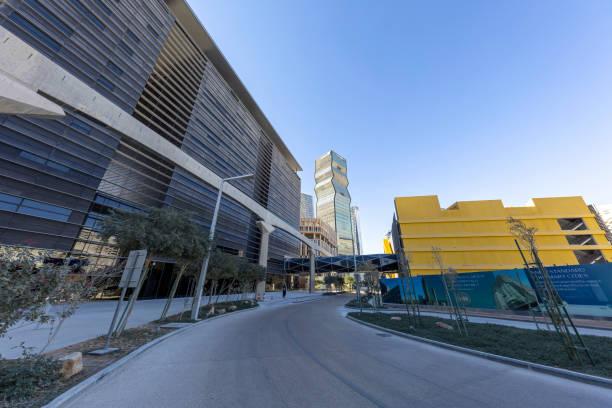
Saudi Arabia’s ambitious plan to deliver half a million housing units represents one of the most transformative real estate expansions under Vision 2030. To successfully execute such a large-scale initiative, every developer and investor must rely on a structured feasibility study consultant approach that aligns with national housing goals, financial sustainability, and market demand. The Kingdom has already demonstrated strong momentum, with homeownership rising to 65.4 percent by 2024 and targeting 70 percent by 2030, supported by large scale housing programs and mortgage market expansion exceeding SAR 500 billion.
A 500K housing target is not simply a construction challenge. It is a strategic economic mission that requires data driven planning, regulatory alignment, and risk mitigation. This is where a professional feasibility study consultant becomes essential in designing phased execution models that ensure long term viability and optimized returns.
Saudi Arabia’s housing transformation is deeply tied to Vision 2030, which aims to enhance quality of life and economic diversification. The Housing Program has already delivered hundreds of thousands of housing solutions while enabling private sector participation and financial innovation.
Recent data highlights the scale of progress and opportunity:
Over 450,000 families have already received housing solutions through national platforms
More than 280,000 housing units have been delivered in recent phases
26,000 new off plan units were launched in the first half of 2025 alone
Real estate sector contribution is projected to reach SAR 157 billion to GDP
Scaling this to a 500K housing target demands a multi phase feasibility framework that ensures each stage is financially and operationally viable.
Mega housing programs often fail when executed without structured feasibility stages. A 9 phase model provides clarity, reduces uncertainty, and ensures alignment with evolving market conditions in Saudi Arabia’s rapidly growing real estate sector.
Each phase builds on the previous one, enabling developers to validate assumptions, adjust strategies, and optimize investments.
The first phase focuses on understanding real demand across regions such as Riyadh, Jeddah, and emerging economic zones. Population growth, urbanization trends, and income distribution are analyzed.
Saudi Arabia’s population growth and rising middle class have significantly increased housing demand, particularly for affordable and mid income segments. A feasibility study at this stage ensures accurate demand forecasting.
Saudi Arabia has introduced major regulatory reforms to support housing development, including mortgage subsidies and digital platforms.
Evaluating zoning laws, land ownership regulations, and government incentives ensures compliance and maximizes project benefits.
Location is a key determinant of project success. This phase assesses land availability, infrastructure connectivity, and proximity to economic hubs.
Government supported developments and large scale community projects have improved land accessibility, but careful selection remains critical.
This phase evaluates project costs, funding structures, and return on investment.
Key considerations include:
Construction costs and material pricing trends
Financing options including mortgage backed structures
Expected sales prices and affordability benchmarks
Saudi Arabia’s growing mortgage market, which has surpassed SAR 500 billion, provides strong financial support for large housing developments.
Modern housing projects in KSA emphasize sustainability, smart infrastructure, and community living.
This phase assesses:
Construction technologies
Design efficiency
Environmental sustainability standards
Developers increasingly adopt prefabrication and smart city concepts to reduce costs and improve delivery timelines.
Large scale housing projects involve multiple risks including market fluctuations, regulatory changes, and supply chain disruptions.
A structured risk analysis identifies potential challenges and outlines mitigation strategies to protect investments.
Housing developments require integrated infrastructure such as roads, utilities, and public services.
Saudi Arabia has invested heavily in infrastructure development, ensuring that new housing communities are well connected and sustainable.
Delivering 500,000 units requires phased execution to manage resources effectively.
This phase defines:
Construction timelines
Resource allocation
Contractor management strategies
Phased delivery ensures continuous supply while maintaining quality and cost control.
The final phase evaluates the broader impact of the housing project on the economy and society.
The housing sector is a major economic driver, creating jobs, stimulating demand for materials, and supporting related industries. The program is expected to generate tens of thousands of jobs and significantly contribute to GDP growth.
Data analytics plays a central role in modern feasibility studies. Real time market data, predictive modeling, and financial simulations enable more accurate decision making.
In Saudi Arabia, digital platforms like Sakani have transformed housing allocation and demand analysis, reducing processing time and improving transparency.
Despite strong progress, several challenges must be addressed:
Rising construction costs
Skilled labor shortages
Urban planning complexities
Balancing affordability with profitability
A robust feasibility framework helps navigate these challenges effectively.
The 500K housing target presents significant opportunities:
Public private partnerships
Affordable housing projects
Smart city developments
Sustainable construction solutions
The Kingdom’s commitment to housing development ensures long term growth potential for investors.
Saudi Arabia’s housing market is expected to continue expanding, driven by population growth, economic diversification, and government support.
With homeownership already reaching 65.4 percent and steadily progressing toward the 70 percent target, the demand for housing will remain strong in the coming years.
Achieving a 500K housing target in Saudi Arabia requires more than construction capacity. It demands a strategic, data driven, and phased approach that minimizes risks and maximizes returns. A professional feasibility study consultant ensures that every stage of the project is aligned with market realities, regulatory frameworks, and financial goals.
As the Kingdom continues its transformation under Vision 2030, structured feasibility planning will remain the foundation of successful housing developments. Investors and developers who leverage expert feasibility study consultant services will be better positioned to capitalize on one of the largest housing opportunities in the region, ensuring sustainable growth and long term success for all stakeholders.